
How Does Product Packaging Contribute to the Customer Experience?
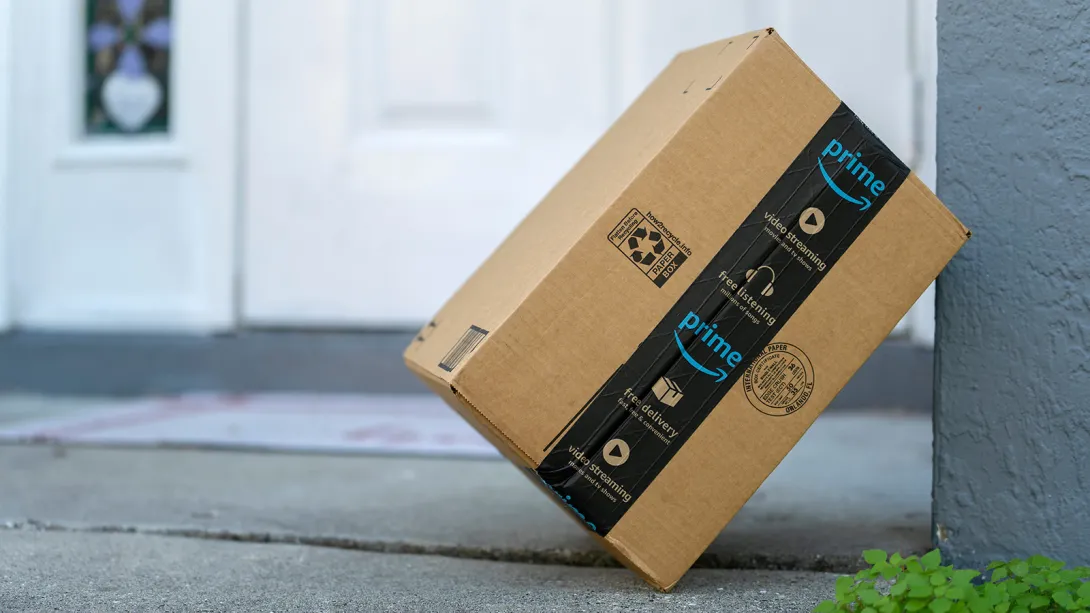
Packaging today is more than just a protective layer — it is a strategic tool for logistics, marketing, and sustainability. For e-commerce merchants in Bulgaria, Romania, and Greece, the right packaging influences not only safe transport but also customer trust, return rates, and even brand visibility on social media.
Packaging as a Logistics Factor
From a logistics perspective, quality packaging plays a critical role. It ensures safe storage, supports efficient transportation, and minimizes the risk of product damage. According to DS Smith (2022), one in five online orders in Europe arrives damaged, most often due to inadequate transport packaging. This results in financial losses for merchants and a poor customer experience.
Packaging Options in E-Commerce
In online retail, several packaging types are most widely used. Poly mailers and bubble envelopes are a lightweight, cost-effective option for clothing, accessories, and other non-fragile items. Boxes remain the universal solution, protecting goods during shipping while shaping the unboxing experience. For fragile or premium products such as cosmetics, bottles, or electronics, specialized boxes with inserts and dividers provide extra security. For bulk or B2B shipments, pallets and containers are the standard.
Most often, the transport packaging is the first thing a customer sees when receiving their order. This makes it a central element of the overall experience. Studies show that 40% of consumers share images of their online purchases on social media if the packaging is branded (FedEx).
Packaging as a Marketing Tool
In e-commerce, packaging is inseparable from brand identity and customer experience. It reduces losses and returns by protecting products more effectively. At the same time, attractive and reusable packaging adds value, as many customers repurpose boxes, tins, or bags. A well-designed package communicates quality and can position a product in a higher market segment. With logos and slogans prominently displayed, packaging becomes a moving advertisement, while seasonal designs for holidays like Christmas or Black Friday strengthen emotional engagement and boost sales.
Recognizable packaging not only builds a positive image but also reinforces loyalty, as customers begin associating positive experiences with the brand itself.
Trends in E-Commerce Packaging
Current trends highlight sustainability as a top priority. According to McKinsey (2023), over 70% of European consumers prefer products with eco-friendly packaging, and many e-commerce stores now use recycled or biodegradable materials.
The unboxing experience is another key factor, particularly in fashion and cosmetics, where packaging is part of the product emotion. Increasingly, packaging is integrated with e-commerce features such as QR codes, instructions, discounts, or links to social media channels. In Bulgaria and Romania, many customers expect reinforced packaging, such as double boxes, due to the high prevalence of cash-on-delivery orders and higher return rates.
Packaging as Part of the Customer Journey
Branded transport packaging is often the customer’s first physical interaction with a brand, making the first impression critical. Neatly organized contents and stylish design turn unboxing into an emotional moment, which increases satisfaction and reduces the likelihood of returns. At the same time, “Instagrammable” packaging works as free advertising — customers are far more likely to share their purchase online when the packaging is impressive.